Sports and physical activities offer many health benefits, but they also come with the risk of injury. From minor muscle strains to more serious joint damage, sports injuries are common among both professional athletes and everyday players. Knowing how these injuries happen and how they are treated helps athletes recover faster and prevent future problems.
Understanding common sports injuries and how they’re treated is important for staying safe, active, and healthy. In this article, we explore the most frequent sports injuries, their causes, symptoms, and standard treatment methods.
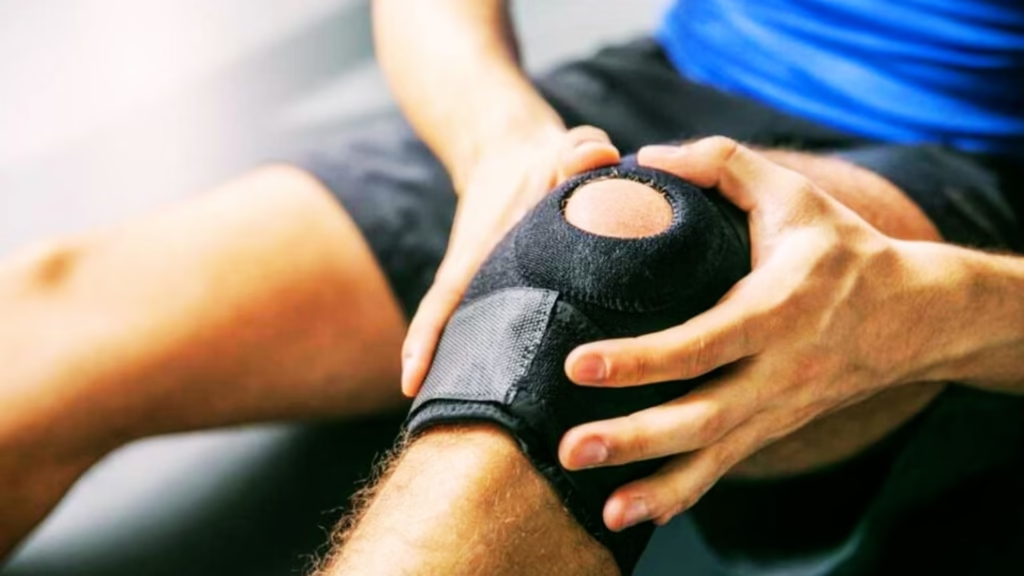
What Are Sports Injuries?
Sports injuries are physical injuries that occur during exercise, training, or competition. They can happen suddenly or develop over time due to repeated stress on the body.
Sports injuries can affect:
- Muscles
- Bones
- Joints
- Tendons
- Ligaments
Some injuries are minor, while others require long recovery periods.
Why Sports Injuries Happen
Injuries usually occur due to a combination of factors.
Common causes include:
- Overtraining
- Poor technique
- Lack of warm-up
- Muscle imbalance
- Fatigue
- Accidents or collisions
Understanding the cause helps prevent repeat injuries.
1. Muscle Strains
Muscle strains are one of the most common sports injuries.
What happens:
- Muscle fibers stretch or tear
Common areas:
- Hamstrings
- Calves
- Back
- Shoulders
Symptoms:
- Pain
- Swelling
- Limited movement
Treatment:
- Rest
- Ice
- Gentle stretching
- Gradual return to activity
Most muscle strains heal with proper rest.
2. Sprains (Ligament Injuries)
Sprains occur when ligaments are stretched or torn.
Common areas:
- Ankles
- Knees
- Wrists
Symptoms:
- Swelling
- Bruising
- Joint instability
Treatment:
- Rest and protection
- Ice and compression
- Physical therapy
Severe sprains may require medical attention.
You Can Also Read: basic-sports-nutrition-athletes-eat
3. Ankle Injuries
Ankle injuries are frequent in sports involving jumping or running.
Causes:
- Sudden direction changes
- Uneven surfaces
Symptoms:
- Pain
- Swelling
- Difficulty walking
Treatment:
- Rest and elevation
- Ice therapy
- Strengthening exercises
Proper footwear helps reduce risk.
4. Knee Injuries
Knees absorb heavy impact during sports.
Common knee injuries:
- Ligament tears
- Meniscus injuries
- Patellar pain
Symptoms:
- Pain
- Swelling
- Limited movement
Treatment:
- Rest and ice
- Physical therapy
- Bracing or support
Some knee injuries may require surgery.
5. Shin Splints
Shin splints are common in runners.
Causes:
- Overuse
- Sudden increase in activity
- Poor footwear
Symptoms:
- Pain along the shinbone
Treatment:
- Rest
- Ice
- Proper footwear
- Gradual training increase
Ignoring shin splints can lead to stress fractures.
6. Tennis Elbow
Tennis elbow is caused by repetitive arm movements.
Affects:
- Elbow tendons
Symptoms:
- Pain on the outer elbow
- Weak grip
Treatment:
- Rest
- Ice
- Strengthening exercises
- Activity modification
It can occur in many sports, not just tennis.
7. Shoulder Injuries
Shoulders are vulnerable in throwing sports.
Common injuries:
- Rotator cuff strains
- Dislocations
Symptoms:
- Pain
- Weakness
- Limited motion
Treatment:
- Rest
- Physical therapy
- Strengthening exercises
Severe cases may require medical treatment.
8. Groin Injuries
Groin strains are common in sports with quick movements.
Symptoms:
- Inner thigh pain
- Difficulty changing direction
Treatment:
- Rest
- Gentle stretching
- Strength training
Proper warm-up reduces risk.
9. Stress Fractures
Stress fractures are small cracks in bones.
Causes:
- Overuse
- Repeated impact
Common areas:
- Feet
- Lower legs
Symptoms:
- Pain that worsens with activity
Treatment:
- Rest
- Reduced activity
- Gradual return
Early treatment prevents worsening.
10. Concussions
Concussions affect the brain and are serious.
Causes:
- Head impacts
- Collisions
Symptoms:
- Headache
- Dizziness
- Confusion
Treatment:
- Immediate rest
- Medical evaluation
- Gradual return to activity
Never ignore head injuries.
11. Overuse Injuries
Overuse injuries develop over time.
Examples:
- Tendonitis
- Joint pain
Treatment:
- Rest
- Activity modification
- Strengthening
Listening to the body is essential.
12. The RICE Method for Injury Treatment
RICE is commonly used for minor injuries.
RICE stands for:
- Rest
- Ice
- Compression
- Elevation
It helps reduce pain and swelling early on.
13. Role of Physical Therapy
Physical therapy supports recovery.
Benefits include:
- Restoring movement
- Strengthening muscles
- Preventing re-injury
Therapy speeds safe return to sports.
14. Importance of Proper Recovery
Recovery prevents long-term damage.
Good recovery includes:
- Adequate sleep
- Balanced nutrition
- Hydration
Ignoring recovery increases injury risk.
15. Preventing Sports Injuries
Prevention is always better.
Injury prevention tips:
- Warm up properly
- Train gradually
- Use proper equipment
- Maintain strength and flexibility
Consistency and awareness reduce injuries.
Sports Health, Awareness, and Recovery
Understanding sports injuries requires awareness, education, and responsible training. Platforms like
PAUSHOKI promotes sports awareness, health knowledge, and informed choices—qualities that align closely with learning about common sports injuries and proper treatment.
When to See a Medical Professional
Seek medical help if:
- Pain is severe
- Swelling does not improve
- Movement is limited
- Symptoms worsen
Early treatment prevents complications.
How Athletes Can Return Safely After Injury
Safe return requires patience.
Key steps include:
- Completing rehabilitation
- Gradual activity increase
- Listening to the body
Rushing back increases re-injury risk.
Final Thoughts
Common sports injuries are a part of athletic activity, but most can be treated effectively with proper care and attention. Understanding injury types, symptoms, and treatments helps athletes recover safely and stay active longer.
Sports should improve health, not damage it. With proper training, awareness, and recovery, injuries can be minimized and managed successfully.
Taking care of the body is the key to long-term performance and enjoyment in sports.