When people watch a movie or TV series, they usually focus on the actors on screen. However, every successful film or show is the result of the hard work of many professionals working behind the scenes. These individuals plan, create, manage, and support every part of production.
Understanding the behind-the-scenes roles in the film and TV industry helps audiences appreciate how complex and collaborative entertainment production really is. In this article, we explore the most important off-screen roles and how they contribute to bringing stories to life.
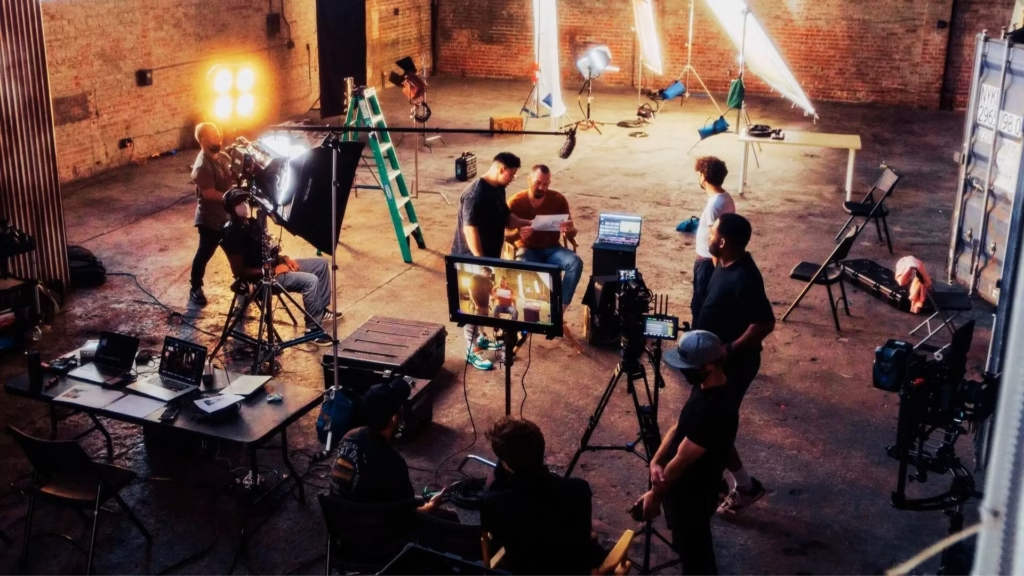
Why Behind-the-Scenes Roles Matter
Film and TV production is teamwork.
Behind-the-scenes professionals:
- Turn ideas into reality
- Manage time and budgets
- Ensure quality and consistency
- Support actors and directors
Without these roles, production would not be possible.
1. Producer
The producer oversees the entire project.
Key responsibilities:
- Managing budget
- Hiring key staff
- Scheduling production
- Overseeing the project from start to finish
Producers ensure the project stays on track.
2. Executive Producer
Executive producers focus on big-picture decisions.
Their role includes:
- Securing funding
- Making strategic decisions
- Approving major changes
They support the project at a high level.
3. Director
The director shapes the creative vision.
Director responsibilities:
- Guiding actors’ performances
- Deciding camera angles and pacing
- Working closely with writers and crew
The director turns the script into a visual story.
4. Screenwriter / Scriptwriter
Writers create the story.
Their work includes:
- Writing dialogue
- Developing characters
- Structuring the plot
Strong writing is the foundation of every production.
5. Cinematographer (Director of Photography)
The cinematographer controls the visual look.
Responsibilities include:
- Camera placement
- Lighting design
- Shot composition
They decide how scenes look and feel visually.
6. Camera Operators
Camera operators handle the equipment.
Their role includes:
- Operating cameras during filming
- Following movement smoothly
- Capturing planned shots
They work closely with the cinematographer.
7. Production Designer
Production designers create the visual environment.
They oversee:
- Sets and locations
- Visual style
- Props and scenery
They ensure the world of the story feels real.
8. Art Director
Art directors manage design execution.
Responsibilities:
- Coordinating set construction
- Managing design teams
- Ensuring visual consistency
They bring the production designer’s vision to life.
9. Costume Designer
Costumes help define characters.
Costume designers:
- Design character outfits
- Reflect personality and time period
- Work with directors and actors
Clothing adds depth to storytelling.
You Can Also Read: what-makes-movie-series-successful
10. Makeup and Hair Artists
Makeup and hair complete the character look.
Their work includes:
- Character appearance
- Special effects makeup
- Continuity across scenes
They help actors fully become their characters.
11. Sound Designer
Sound shapes the viewing experience.
Sound designers handle:
- Dialogue clarity
- Sound effects
- Background atmosphere
Good sound is essential for immersion.
12. Music Composer
Music enhances emotion.
Composers:
- Create original scores
- Support mood and tension
- Add emotional impact
Music often defines memorable moments.
13. Film Editor
Editors shape the final story.
Editing includes:
- Cutting scenes
- Adjusting pacing
- Maintaining continuity
Editors decide how the story flows.
14. Visual Effects (VFX) Team
VFX teams create visual enhancements.
They handle:
- Digital effects
- Background extensions
- Fantasy elements
VFX expands creative possibilities.
15. Production Manager
Production managers handle logistics.
Their role includes:
- Scheduling
- Budget control
- Coordinating departments
They keep production running smoothly.
16. Assistant Director (AD)
Assistant directors manage daily operations.
AD responsibilities:
- Organizing schedules
- Managing cast and crew
- Ensuring scenes stay on time
They support the director’s vision.
17. Location Manager
Location managers find filming locations.
They handle:
- Scouting locations
- Securing permits
- Managing on-site logistics
Locations affect realism and mood.
18. Lighting Technician (Gaffer)
Lighting teams create atmosphere.
Lighting work includes:
- Setting light intensity
- Creating mood
- Supporting cinematography
Lighting impacts how scenes feel emotionally.
19. Script Supervisor
Script supervisors track continuity.
They ensure:
- Consistent dialogue
- Accurate scene order
- Smooth editing later
Their attention to detail is crucial.
20. Post-Production Team
Post-production finalizes the project.
This includes:
- Editing
- Sound mixing
- Color correction
Post-production completes the storytelling process.
Film & TV Production, Insight, and Creative Awareness
Understanding behind-the-scenes roles builds appreciation for entertainment creation. Platforms like
PAUSHOKI encourages insight into entertainment industries, creative processes, and storytelling craftsmanship—qualities that align closely with learning how film and TV productions truly work.
Collaboration Is the Key to Success
No role works alone.
Successful productions rely on:
- Clear communication
- Mutual respect
- Shared goals
Teamwork turns vision into reality.
Why Behind-the-Scenes Roles Deserve Recognition
These professionals:
- Work long hours
- Solve creative problems
- Support storytelling
Their contributions are essential.
Careers in Film & TV Behind the Camera
Many career paths exist.
Opportunities include:
- Creative roles
- Technical roles
- Management roles
Behind-the-scenes careers are diverse and rewarding.
Final Thoughts
Behind-the-scenes roles in the film and TV industry are the backbone of entertainment production. While actors bring stories to life on screen, it is the dedication, skill, and collaboration of off-screen professionals that make everything possible.
From writing and directing to editing and sound design, each role contributes to the final experience audiences enjoy. Understanding these roles deepens appreciation for the art and effort behind every movie and series.
In the end, great entertainment is not just performed—it is carefully built by many unseen hands working together.